

©2025 Shahmansouri, Tutti i diritti riservati
Kilim and Ethnic Rugs in Verona | Shahmansouri Persian Rugs
Blending tradition and timeless beauty, Kilims tell the story of nomadic peoples, weaving colors and symbols into patterns that span centuries.
Persian Kilims and Ethnic Rugs in Verona
Discover the Ancient Art of Kilims
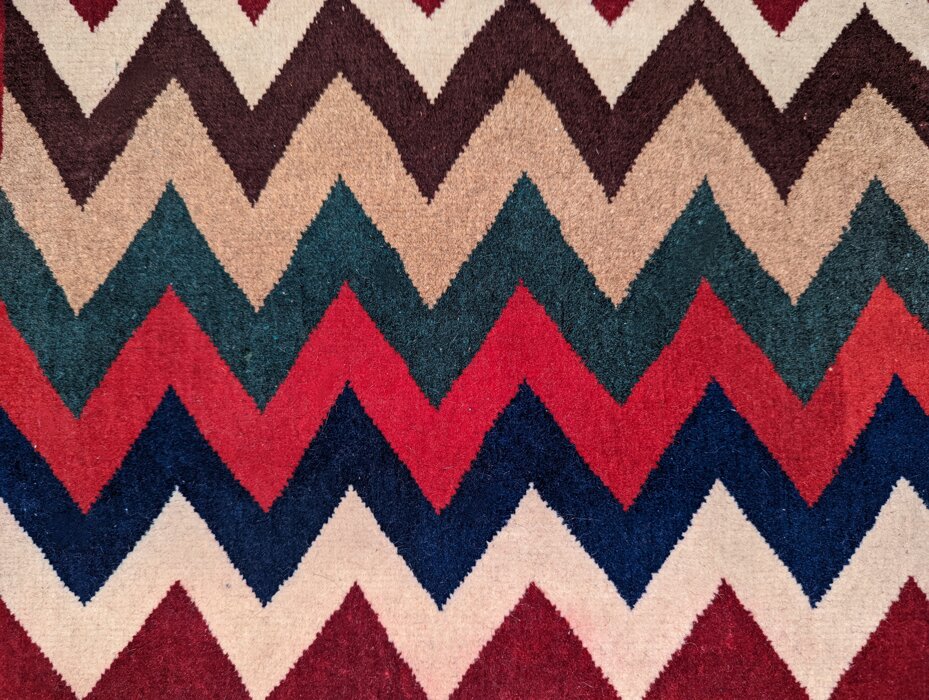
Kilims are flat, pileless rugs whose origin dates back to the ancient nomadic populations of Persia, Anatolia, the Caucasus, and Central Asia. The term "kilim" comes from the Persian word gelim, meaning "to spread" or "to cover." These rugs were handmade using a special weaving technique without knots, giving the fabric a smooth surface that is identical on both sides.
Technique and Materials
Unlike knotted rugs, Kilims are made by interweaving warp and weft threads to create sharp, vivid geometric patterns. Wool is the most commonly used material, valued for its durability and ability to absorb natural dyes, though examples in cotton, silk, or plant fibers also exist. A distinctive feature of many Kilims is the presence of small vertical gaps, the result of a technique called slit weave, which allows for crisp lines and well-defined color separation.
Symbolic Meaning and Decorative Motifs
Every Kilim tells a story. The geometric and symbolic patterns represent beliefs and traditions passed down through generations. Among the most common symbols are:
-
The Tree of Life, symbolizing fertility and rebirth.
-
Eyes and amulets to ward off the evil eye.
-
Stylized animal figures that evoke protection and prosperity.
These decorations are not mere ornaments but a true visual language reflecting the daily and spiritual life of the communities that created them.
Origin and Spread of Kilims
Kilims are primarily found in:
-
Turkey (Anatolia): known for their vibrant colors and bold Anatolian patterns.
-
Iran and Turkmenistan: produced by nomadic tribes from southern and central Iran.
-
Caucasus, Afghanistan, and the Balkans: each region with its own distinctive styles.
Over the centuries, Kilims have served many purposes: as rugs, blankets, bags, or as part of a bridal dowry.
Kilims in Modern Interior Design
Today, Kilims are valued for their versatility and timeless beauty. They are perfect as:
-
Living room rugs
-
Wall hangings
-
Sofa covers and cushions
-
Ethnic-style decorative elements
Their aesthetic fits both classic and contemporary interiors, adding a touch of authenticity and warmth.
The Soumakh: the Embroidered Variant
Among flatweave rugs, special mention goes to Soumakh rugs, made using a technique that wraps the weft threads around the warp, creating an embroidered effect. Compared to Kilims, Soumakhs are thicker and sturdier, with even more detailed patterns, and are highly valued for their durability and decorative richness.
Kilim and Ethnic Rugs in Verona
In our showroom in Verona, we offer a carefully curated selection of original Kilims and ethnic rugs from Iran, Turkey, the Caucasus, and Afghanistan. Each piece is chosen for its uniqueness, the quality of its materials, and its adherence to traditional techniques.
If you're looking for an authentic rug that tells a story and brings a piece of ancient culture into your home, we look forward to welcoming you at Shahmansouri Persian Rugs.
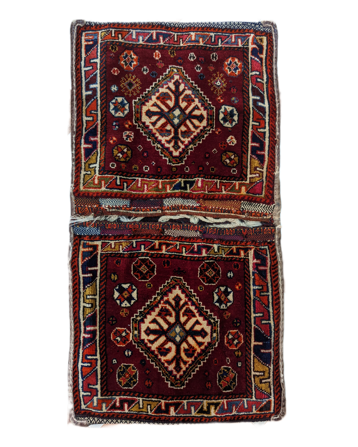
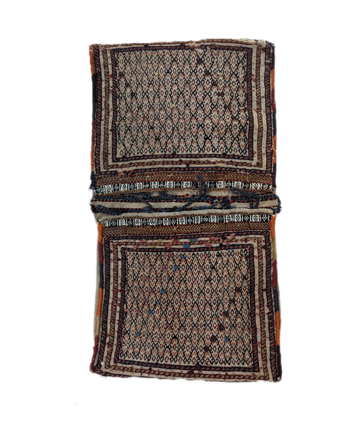
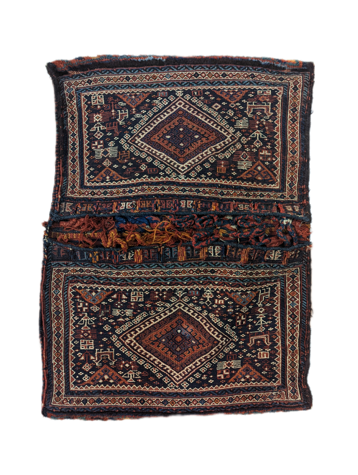
Persian Khorjin SaddlebagVintage Persian Khorjin Saddlebag
Persian Khorjin Saddlebag
Vintage Persian Khorjin Saddlebag
©2025 Shahmansouri, All rights reserved